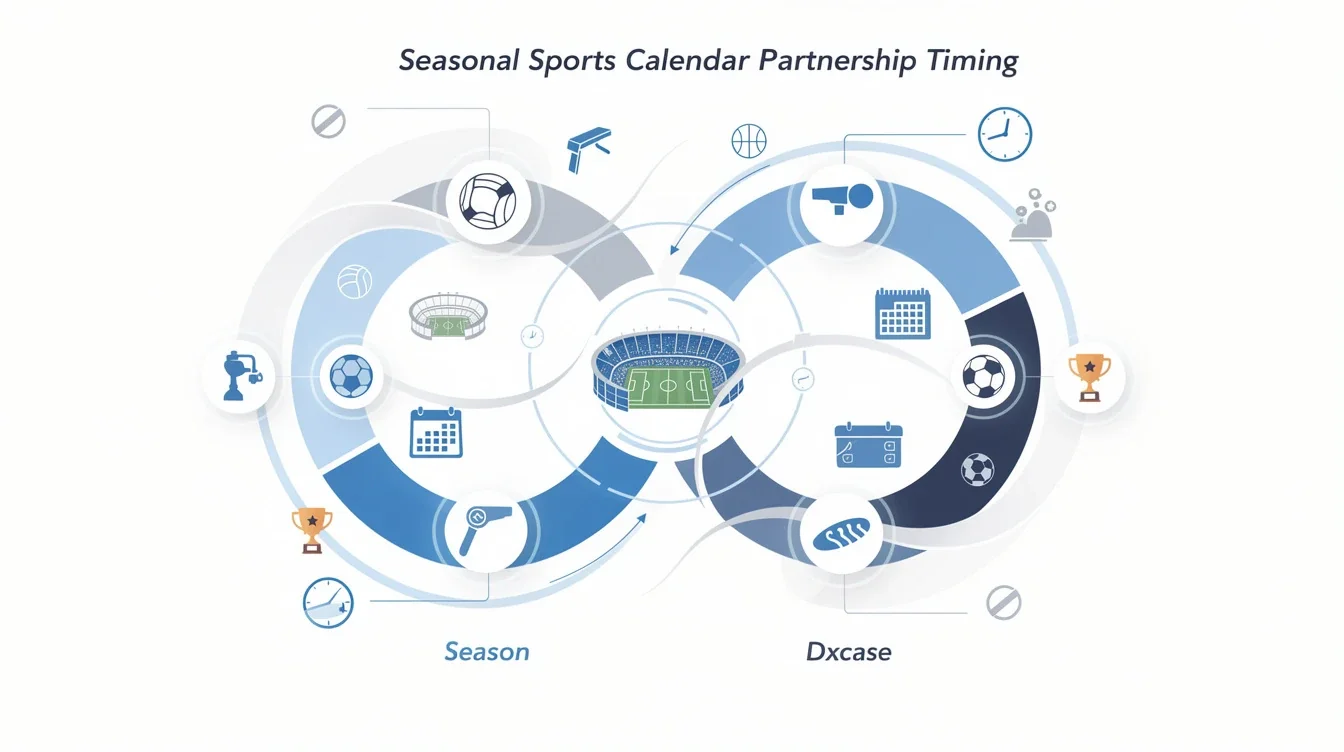

Mastering Seasonal Sports Calendar Partnerships: Timing for Success
As parents, we all want to give our kids every opportunity to thrive, especially when it comes to sports. But let’s be honest—keeping up with school, work, and extracurriculars can sometimes feel like a high-stakes juggling act. That’s where smart planning comes into play, especially when you’re looking to partner with youth sports programs or apps like FirstTouch by Trackli. Knowing the ins and outs of the seasonal sports calendar is the secret sauce to making the most of every training opportunity. In this guide, we’ll explore how timing your partnership with the seasonal soccer calendar can help your young athlete stay motivated, improve skills, and ultimately have more fun.
Why Timing Matters in Youth Soccer

When it comes to youth soccer, timing isn’t just about showing up for practice—it’s about aligning your child’s training with the natural flow of the sports year. Soccer seasons are structured for a reason: there are periods of intense activity (like tryouts and tournaments), and quieter stretches that are perfect for skill development. By syncing up with these rhythms, you can help your child make steady progress without feeling overwhelmed or burned out.
For parents, this also means that investing in a soccer training app like FirstTouch is most effective when it complements, rather than competes with, your child’s existing commitments. For example, integrating video-guided drills during the off-season can keep skills sharp and spirits high, while personalized plans during peak season can help target specific areas for improvement.
Pro tip: Take a look at your local soccer club’s calendar and note the start and end dates for each season. This can help you plan when to introduce new training routines or ramp up support using FirstTouch.
Understanding the Seasonal Sports Calendar
Every region has its own soccer rhythm, but most youth leagues follow a similar pattern: there’s a spring season, a fall season, and often a summer break for camps or individual training. Winter might bring indoor leagues or a much-needed rest.
Spring and fall are usually packed with practices, games, and tournaments. During these busy months, your child’s schedule can fill up fast. That’s why it’s smart to use digital training tools to supplement—not overload—their routine. FirstTouch’s short, targeted drills can fit into even the busiest week, helping kids reinforce what they’re learning on the field.
Summer, meanwhile, offers a golden window for focused skill-building. With fewer team obligations, your child can work on those personalized training plans at their own pace, perhaps even setting small goals with you along the way.
Winter can be a mixed bag—some clubs offer futsal or indoor leagues, while others take a break. If your child is off the field, this is a perfect time to maintain momentum with fun, low-pressure drills in the basement, garage, or even the living room.
Pro tip: Use the quieter periods to set goals with your child. Ask them what they want to improve before the next season starts, and let FirstTouch’s progress tracking keep them motivated.
Maximizing Off-Season Training

The off-season often gets overlooked, but it’s actually the most powerful time to build new skills. Without the pressure of weekly matches, young players can experiment, try new moves, and really focus on their technique.
This is where a structured app like FirstTouch shines. Parents can encourage their kids to pick a couple of drills each week, working through video tutorials and tracking progress to gether. The goal isn’t to add stress, but to make training feel like a fun, personal challenge. Kids love seeing their improvement, and parents can rest easy knowing their child is staying active and engaged—without the chaos of a full team schedule.
The off-season is also when kids can address weaknesses or explore new positions. Maybe your child wants to become a stronger defender, or work on their weak foot. With personalized plans, it’s easy to target these areas and see measurable progress before the next tryout.
Pro tip: Turn off-season training into a family affair! Set aside a weekend morning for everyone to get active, cheering each other on and celebrating small wins.
In-Season Support and Smart Scheduling
During the heart of the soccer season, time is precious. Between practices, games, and homework, your child’s plate can fill up quickly. The last thing any parent wants is burnout.
FirstTouch can help by offering quick, focused drills that fit into tight schedules. Instead of lengthy, generic sessions, your child can spend just 10–15 minutes a day working on targeted skills. This keeps them engaged and progressing, without taking away from family time or schoolwork.
Parents play a key role here—being realistic about what your child can handle, and making sure training remains enjoyable. If your child is feeling tired or overwhelmed, it’s okay to dial things back. Consistency matters more than intensity, especially for young athletes.
Pro tip: Set up a regular, low-pressure routine—maybe a quick drill before dinner or after homework. Consistency and encouragement go much further than pushing for perfection.
Partnering with Clubs, Coaches, and Apps
The best results often come from teamwork—not just on the field, but off it too. When parents, coaches, and digital tools like FirstTouch work to gether, young players benefit from a well-rounded, supportive environment.
Consider reaching out to your child’s coach to see how FirstTouch can complement team practices. Coaches may have insights into specific skills your child should focus on, or may even recommend drills from the app that align with team goals.
Many clubs also look to partner with training platforms during the off-season or as part of summer programs. If your club isn’t already aware of FirstTouch, introducing them to the app could benefit not just your child, but the whole team.
Remember, the goal isn’t to replace team training, but to add structure and fun to your child’s development. With everyone on the same page, your child can move forward with confidence.
Pro tip: Share your child’s progress reports from FirstTouch with their coach. It’s a great way to highlight dedication and open up a conversation about next steps.
Making Training Fun and Sustainable
At the end of the day, soccer should be something your child looks forward to—not just another item on the to-do list. That’s why mixing things up and keeping training fun is so important, especially for younger players.
FirstTouch is designed with this in mind, offering a variety of drills, challenges, and progress badges to keep kids interested. As a parent, you can encourage your child to set their own goals, celebrate milestones, and even invite friends for friendly skill competitions.
If motivation starts to wane, try adjusting the routine or introducing new elements—maybe a family scrimmage in the backyard, or a reward for reaching a training milestone. Flexibility is key to long-term success and enjoyment.
Finally, remember that rest is just as important as practice. Building in regular breaks and downtime helps prevent injuries and keeps your child’s passion for the game alive.
Pro tip: Celebrate progress, not just perfection. Highlight the effort your child puts in, and let them know you’re proud, no matter what the scoreboard says.
Conclusion
Mastering the timing of your seasonal sports calendar partnership can make all the difference in your child’s soccer journey. By understanding the natural rhythms of the soccer year, and using supportive tools like FirstTouch, you can help your young player stay motivated, improve skills, and most importantly—have fun. Remember, it’s not about doing everything at once, but about making smart, supportive choices that fit your family’s life. Here’s to a season (and off-season) filled with growth, joy, and plenty of high-fives!