

Mastering Partnership Lifecycle Management for Youth Apps
In today's busy world, parents want the very best for their kids—especially when it comes to activities that help them grow, learn, and have fun. At Trackli, we've built FirstTouch to give young soccer players a safe, structured, and exciting way to improve their skills. But behind every successful youth app, there's a web of partnerships that help deliver value, keep things running smoothly, and open up new opportunities. Understanding and managing these partnerships is essential—not just for business, but for the families and young athletes we serve. Let's explore how partnership lifecycle management works in the world of youth apps, and why it matters for you, your kids, and the future of youth sports training.
What Is Partnership Lifecycle Management?

Every youth app—whether it's about soccer training, music lessons, or academic support—relies on a network of partners. These can include local sports clubs, schools, coaches, content creators, tech providers, and even safety organizations. Partnership lifecycle management is simply the process of finding, nurturing, and growing these relationships over time.
For an app like FirstTouch, partnerships might mean teaming up with local soccer clubs to bring in expert coaches for video drills, or working with trusted software companies to ensure our platform is safe and reliable. It could also involve collaborating with educational experts to design age-appropriate content or partnering with local organizations to reach more families.
Pro tip: When evaluating a potential partner, always ask: "Will this help us deliver a better, safer, or more enjoyable experience for our users?"
The Stages of a Partnership
Just like developing soccer skills, building strong partnerships is a journey. Generally, there are five main stages in the partnership lifecycle:
1. Identification This is where you look for organizations or individuals whose goals align with yours. For FirstTouch, that might mean reaching out to youth soccer leagues, child safety experts, or top coaches.
2. Engagement Once you've found a good match, it's time to start the conversation. This stage is all about building trust, understanding each other's needs, and figuring out how you can help each other.
3. Negotiation and Agreement Here, both sides decide on the details—who does what, how you'll measure success, and how you'll handle challenges if they pop up. Clear, simple agreements are your friend.
4. Implementation Now it's time to put the plan into action. This might involve integrating new training videos, launching a joint promotion, or rolling out a safety feature.
5. Evaluation and Renewal Finally, you review how things are going. Are young players making progress? Are parents happy? Are both partners seeing value? If all goes well, it's time to renew and maybe even expand the partnership.
Pro tip: Keep communication open at every stage—regular check-ins help catch small issues before they become big problems.
Why Strong Partnerships Matter
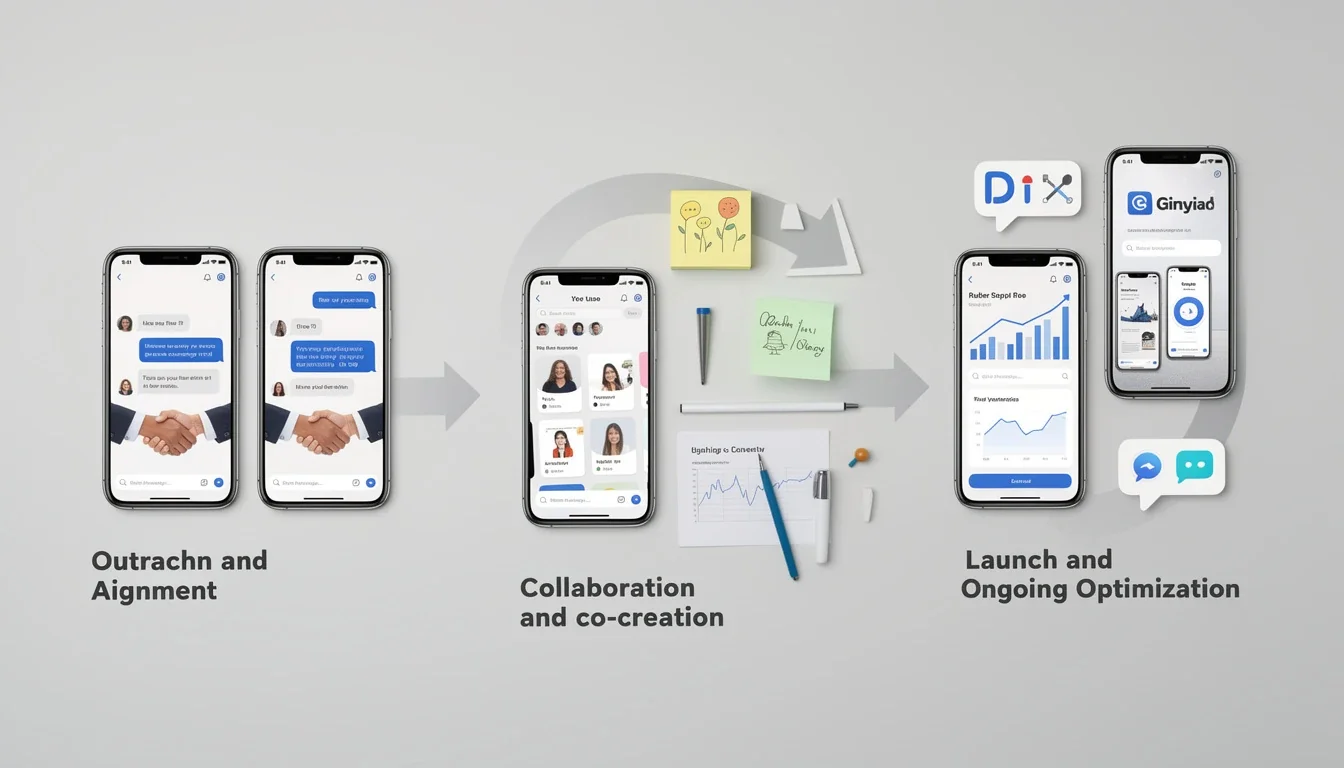
Partnerships aren't just about business deals—they're about trust, safety, and making a real difference in kids' lives. When youth apps like FirstTouch team up with the right partners, everyone benefits:
Enhanced Expertise Working with top coaches or child development experts ensures that training plans and drills are not just fun, but also safe and age-appropriate.
Better Safety By collaborating with cybersecurity specialists and privacy advocates, we keep kids' information secure and give parents peace of mind.
Broader Opportunities Partnerships with local clubs or schools mean more kids can access high-quality training, no matter where they live.
Continuous Improvement Feedback from partners helps apps evolve—adding new features, refining training plans, and responding to what families really need.
Pro tip: A great partnership is like a great team—each member brings something unique, and to gether, you accomplish more than you could alone.
Navigating Challenges to gether
Like any relationship, partnerships can hit rough patches. Sometimes goals change, or new challenges pop up—maybe a new regulation about kids' data, or a shift in technology. The key is to approach these bumps with flexibility, honesty, and a shared focus on what's best for young users.
Clear agreements and regular communication make it easier to tackle issues before they become major headaches. It's also important to celebrate the wins—whether that's a successful new feature launch, a positive review from a parent, or a young player hitting a new milestone.
Pro tip: When challenges arise, bring partners to gether to brainstorm solutions—collaboration leads to creative answers you might not find alone.
Building for Long-Term Success
The best partnerships don't just solve today's problems—they help shape the future. For youth apps, that means always looking for new ways to add value, whether it's through innovative training methods, expanded access, or even new sports and activities.
At Trackli, we're always listening—to our partners, our users, and especially to parents and kids. It's this spirit of collaboration that drives us to keep improving FirstTouch, making it the best possible tool for young athletes and their families.
Pro tip: Set aside time each year to review partnerships—look for ways to deepen strong relationships, and don't be afraid to let go of those that no longer serve your mission.
Putting It All to gether
Managing partnerships might sound complicated, but at its heart, it's about building lasting relationships that help young people grow. For youth apps like FirstTouch, a thoughtful approach to partnership lifecycle management means better training, safer experiences, and more opportunities for every player.
If you're a parent, know that every drill, every feature, and every new opportunity in FirstTouch is backed by a team of trusted partners who share your commitment to your child's growth and safety. For coaches and organizations, remember that your expertise and support are helping shape the next generation of athletes—and that's a partnership worth celebrating.
Related Articles
Conclusion
Partnership lifecycle management isn't just a business strategy—it's a promise to the families and young athletes who trust us each day. By finding the right partners, nurturing those relationships, and always striving for better, we're building a brighter, safer, and more exciting future for youth sports. At Trackli, we believe that to gether, we can help every child reach their full potential—on the field and beyond.