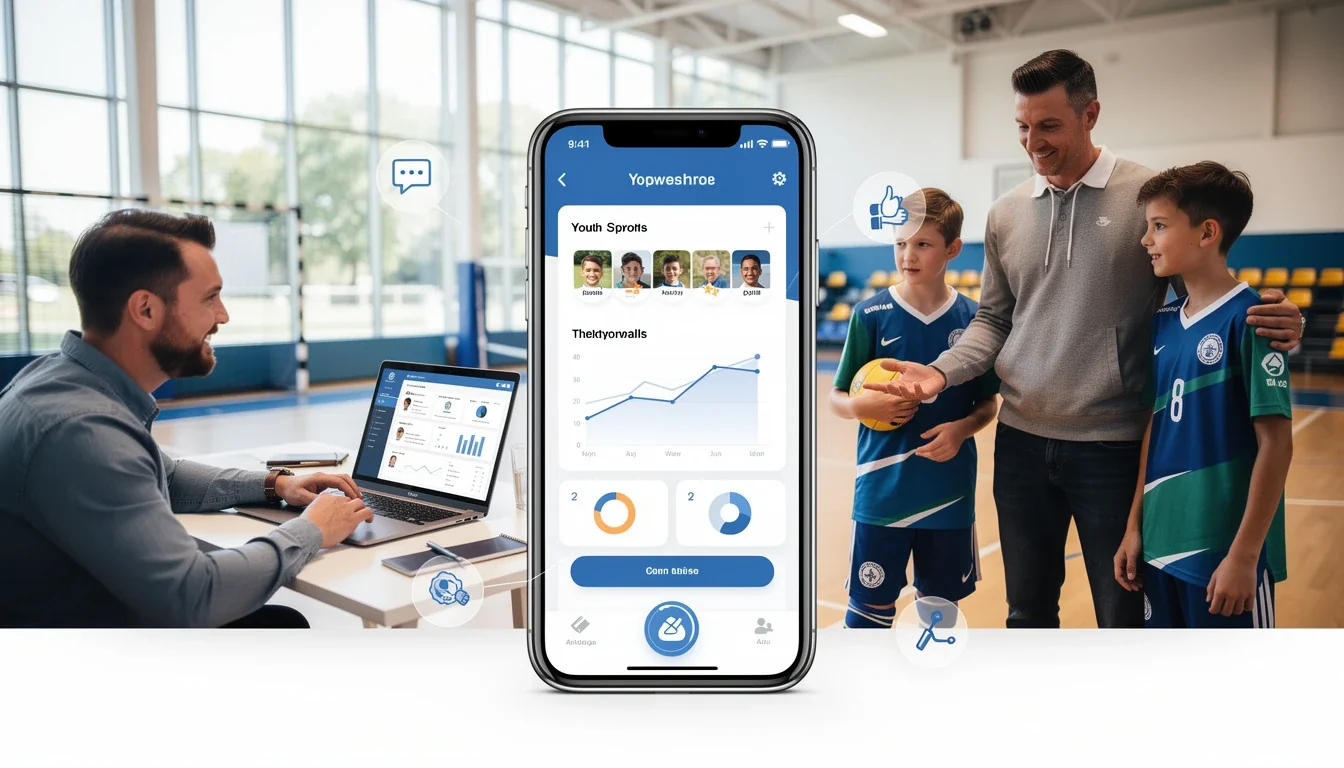

Designing a Winning Referral Program for Youth Sports Apps
Imagine if every family who loved FirstTouch could easily share that excitement with friends—helping even more young athletes grow, while parents felt confident and supported. That’s the magic a well-designed referral program can bring to a youth sports app like Trackli. But crafting a referral program for busy, safety-conscious families means thinking beyond points and perks. It’s about building trust, making things simple, and celebrating community wins. Let’s dive into what makes a referral program truly work for soccer-loving kids, dedicated parents, and the whole Trackli community.
Why Referrals Matter for Youth Sports Apps
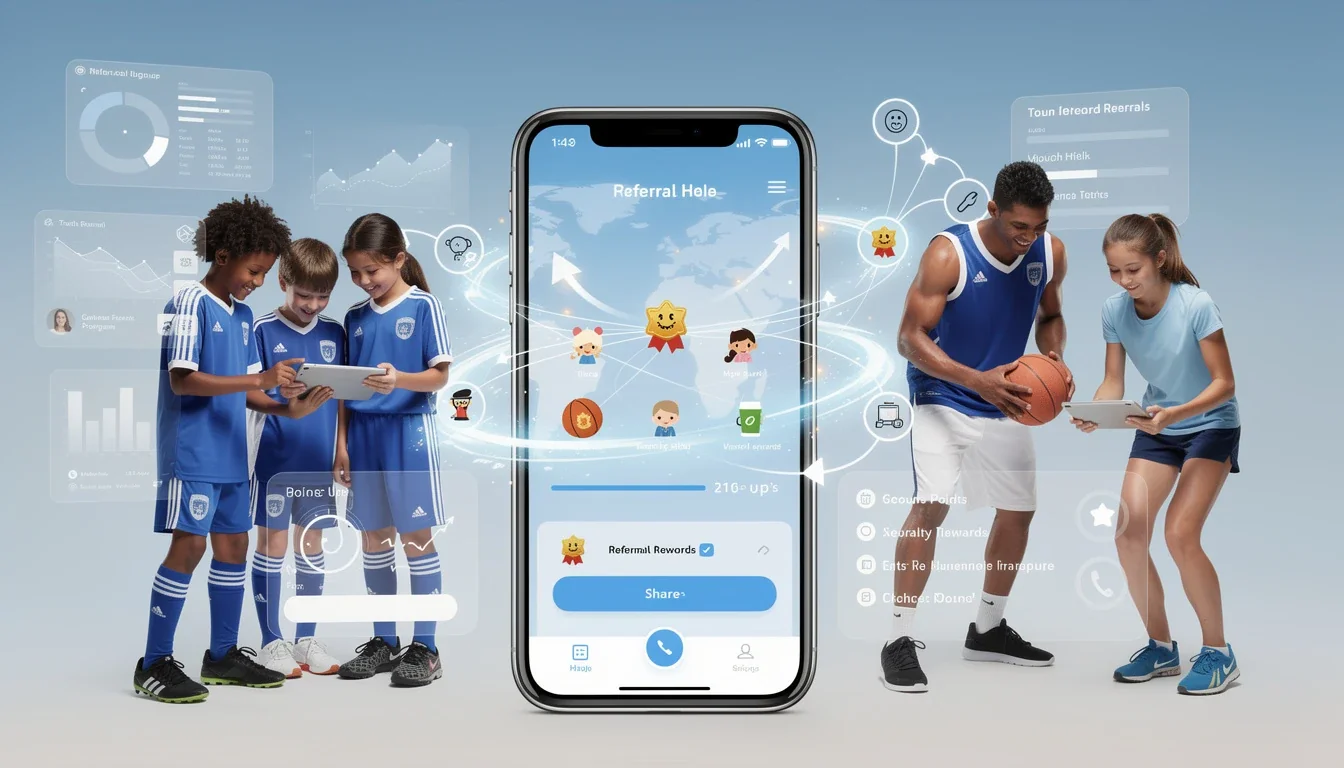
Word of mouth has always been powerful, but in youth sports, it’s gold. Parents want the best for their kids, and they trust recommendations from other families who’ve seen real results. For apps like FirstTouch, a referral program isn’t just about growth—it’s about building a network of supportive parents and motivated young athletes.
Referral programs can help parents discover tools that make their lives easier, like video-guided drills or progress tracking that actually works. When a parent shares FirstTouch, they’re not just spreading the word—they’re passing along a resource that could spark a child’s passion for soccer or help them reach their goals. And when families see the app making a difference, they’ll be even more excited to share.
Pro tip: Make it easy for parents to share the app right from their phones, so they can send an invite while watching their child play or waiting at practice.
What Makes an Effective Referral Program
A successful referral program for a youth sports app needs to feel safe, rewarding, and effortless. Parents are busy, and kids are eager for progress—so design is everything.
Start by making the referral process crystal clear. No hidden steps, no confusing jargon. Parents should know exactly how to invite friends, what they’ll get, and how their kids benefit. Consider rewards that matter: maybe a free month of premium drills, early access to new features, or even a special badge for their child’s profile. These incentives should reinforce the app’s core values: convenience, fun, and structured growth.
Don’t forget about safety. Parents need to trust that their data, and their children’s data, is secure. Be transparent about what’s shared (and what’s not) when someone joins through a referral. Avoid public leaderboards or social “blasts” that might make parents uneasy—instead, focus on private, direct invitations.
Pro tip: Test the referral process yourself—if it takes more than a minute or two, it’s time to simplify.
Rewards That Motivate Kids and Parents
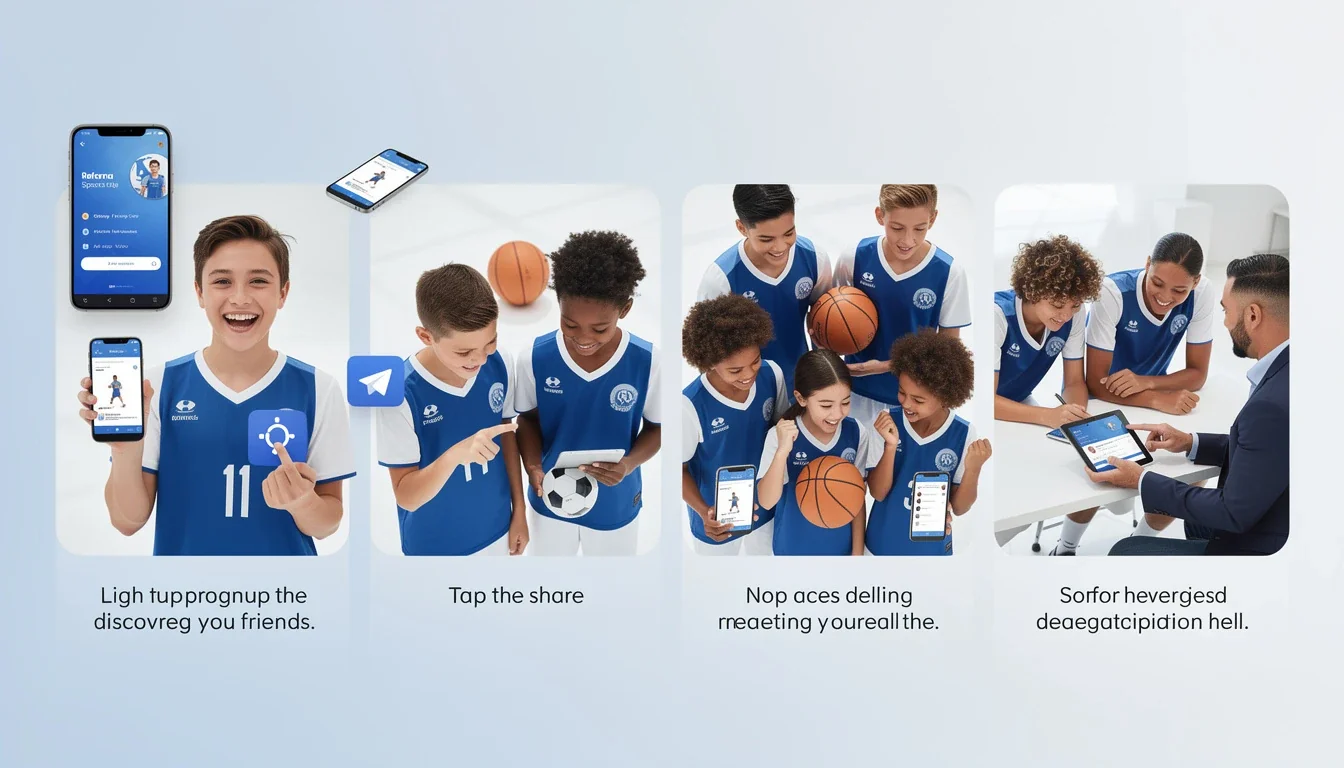
The best referral programs tap into what motivates both parents and young athletes. For parents, it might be an extended free trial or a discount on their subscription—something that saves money or adds convenience. For kids, think recognition: unlocking new drills, earning a “Team Builder” badge, or accessing limited-edition content that makes training feel special.
It’s important to strike a balance. You want to encourage sharing, but not at the expense of authenticity. Overly aggressive incentives can feel spammy or transactional, which doesn’t sit well with families who value genuine recommendations. Make sure every reward reinforces the app’s mission: helping kids develop skills, have fun, and build confidence.
Consider tiered rewards, too. Maybe the first referral unlocks a new training plan, the third earns a special video from a pro coach, and so on. This approach keeps families engaged and gives them reasons to keep sharing, without overwhelming them.
Pro tip: Let parents and kids choose their reward—some might prefer a free training module, while others would love a custom achievement badge.
Keeping It Safe, Private, and Parent-Friendly
Privacy is top-of-mind for families, especially when apps involve kids. Your referral program should always put safety first. Make sure only parents can send or accept invitations, and never require kids to share personal information with others to earn rewards. All communication about referrals should go through the parent’s email or app account—not directly to the child.
Transparency is key. Let parents see exactly what information is shared when they invite a friend and reassure them that their data is never sold or misused. If possible, build in app-based controls so parents can manage their family’s referral participation with a click.
Finally, keep the tone friendly and supportive. Referral reminders should feel like helpful nudges, not high-pressure sales pitches. When a friend joins because of a referral, celebrate the connection—maybe send a thank-you note or showcase a small “community milestone” in the app.
Pro tip: Include a short, friendly privacy statement on the referral screen so parents know their family’s safety is your top priority.
Making Sharing Seamless and Social
To turn happy families into enthusiastic advocates, sharing has to be effortless. Meet parents where they are: on their phones, in group chats, or at the sidelines during practice. Build share buttons right into the app, with customizable messages that make inviting friends feel natural. Allow sharing via text, email, and popular messaging apps—whatever’s most convenient.
Think about the moments when parents are most likely to share. Maybe it’s after a really fun training session, when their child unlocks a new skill, or when they see the weekly progress report. Prompt them with a gentle invitation to share at these high points, and make sure the process is just a tap or two.
You can also inspire a little friendly competition or teamwork, without putting pressure on kids. For example, if a family refers three friends, everyone on their “team” gets access to a bonus drill or a group video challenge. This not only encourages sharing but strengthens the sense of community within the app.
Pro tip: After a parent completes a referral, show a quick thank-you message and let them know how close they are to unlocking the next reward—motivation matters!
Tracking, Celebrating, and Improving Referrals
A referral program isn’t set-and-forget. Trackli (and FirstTouch) should measure what works: which rewards are most popular, when families share, and what feedback parents offer about the process. Use in-app analytics to refine the experience, making it smoother and more rewarding over time.
Celebrate milestones, both big and small. When a family’s referrals help bring in ten new players, acknowledge them with a shoutout or a special “community builder” badge. If a certain reward is especially popular, consider expanding or enhancing it. And always ask families for input—what would make them more likely to share? What do their kids love most about the rewards?
Finally, keep communication open. Share updates about the referral program in the app, highlight success stories, and let families know when you’ve made improvements based on their feedback. This not only boosts participation but shows parents and kids that their voices matter.
Pro tip: Send a gentle follow-up a week after a family joins through a referral, asking how their experience has been and offering a quick tip for making the most of the app.
Conclusion
A thoughtful referral program can be the spark that connects families, grows the Trackli (and FirstTouch) community, and helps more young athletes thrive—while giving parents the peace of mind they need. By focusing on simplicity, safety, and meaningful rewards, you’ll turn happy families into passionate advocates and ensure every new connection is built on trust, fun, and shared success. With the right design, your referral program won’t just boost numbers—it’ll build a stronger, more supportive soccer community for everyone.