

Referral Marketing Strategies for Small Businesses in 2026
When you’re a small business owner, especially in a world that never stops moving, finding new customers can feel overwhelming. You juggle limited time, tight budgets, and big ambitions. But what if your best new customers could come from the people who already love what you do? That’s the magic of referral marketing—a tried-and-true approach that’s gaining even more traction in 2026. At Trackli, we know how parents trust recommendations from other parents, especially when it comes to their kids’ activities. Let’s explore how referral marketing can fuel your small business growth, with strategies tailored for today’s connected, convenience-minded families.
Why Referral Marketing Works

Referral marketing isn’t just a buzzword. It’s rooted in something we all know: people trust people, especially when making decisions for their children. For parents choosing a soccer training app like FirstTouch, a friend’s recommendation means more than any ad ever could. In 2026, with digital noise at an all-time high, personal referrals cut through the clutter.
When a trusted friend or fellow parent shares a positive experience, it reassures the listener. For small businesses, this trust translates into higher conversion rates and longer-lasting customer relationships. Referral marketing also leverages your existing customers as advocates, turning their satisfaction into your growth engine. It's cost-effective, scalable, and perfectly suited for businesses focused on community and safety—just like Trackli and FirstTouch.
Pro tip: Ask your most loyal customers why they recommend you. Their real words can shape your next marketing message!
Building a Referral-Friendly Experience
Before launching any formal referral program, it’s essential to ensure your business offers a referral-worthy experience. This means every touchpoint—from your product to your customer service—should delight your customers, making them eager to tell others.
For a soccer training app, that could mean seamless onboarding, engaging video drills, and real, measurable progress for every child. Supportive features like personalized training plans, safe account management, and responsive help channels give parents peace of mind. When parents feel confident that FirstTouch is both fun and safe for their kids, they’ll naturally share it with their network.
The key is to listen. Ask for feedback, address concerns quickly, and show genuine appreciation for your customers. Happy customers are your brand’s best ambassadors.
Pro tip: Surprise your top fans with a handwritten thank-you or a special bonus—small gestures can spark big conversations.
Designing a Modern Referral Program
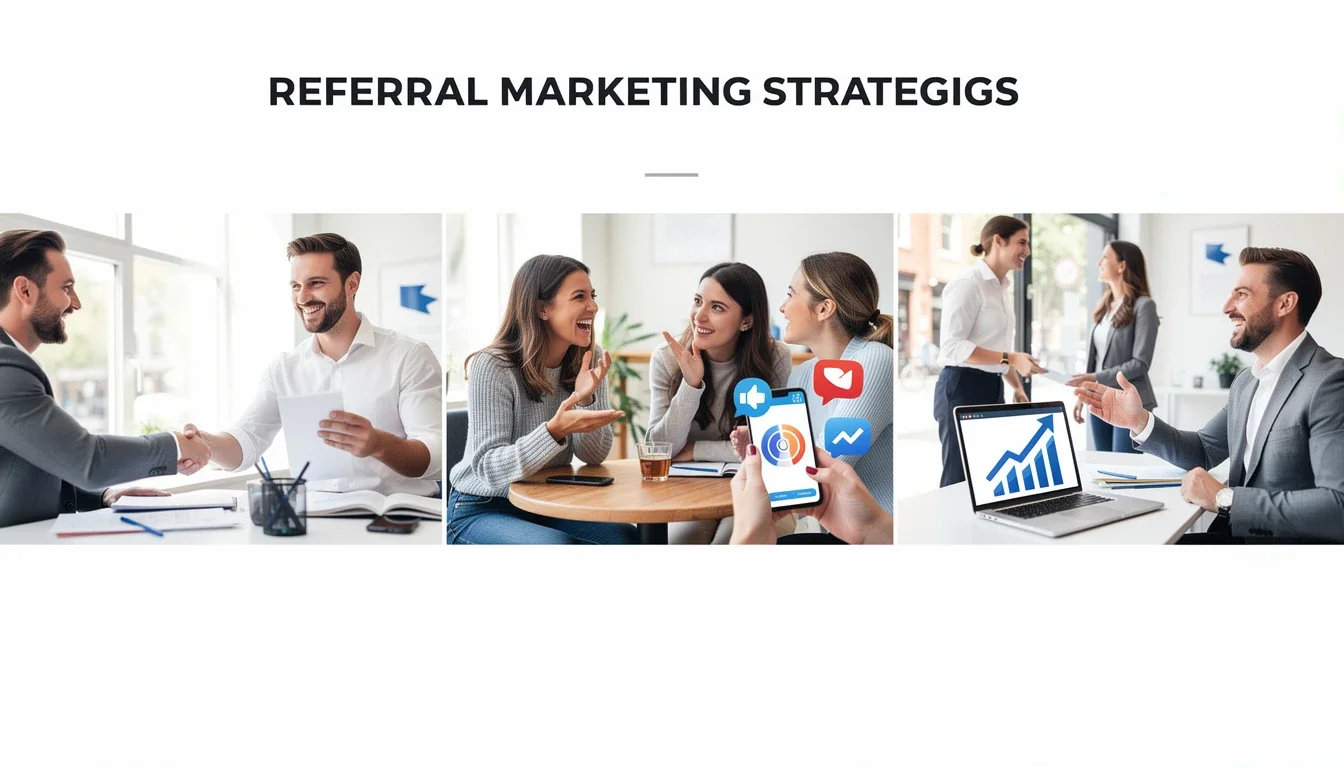
In 2026, referral programs are more than “tell a friend, get a coupon.” Today’s parents expect seamless, rewarding, and easy-to-share experiences. A well-designed referral program can turn your customer base into a motivated sales force.
Start by clarifying what you’ll offer as a reward. It could be a free month of premium features, exclusive content, or even recognition in your app community. Choose incentives that appeal to both parents and their kids: maybe unlock advanced drills or limited-edition virtual badges.
Make the process frictionless. Provide parents with a unique referral link directly in your app or via email. Allow them to share through social, text, or even old-fashioned word of mouth. Track every step so both the referrer and the new customer receive their reward automatically once the referral is successful.
And don’t forget transparency. Make it clear how the program works, who qualifies, and what the rewards are. Parents appreciate straightforward, honest communication.
Pro tip: Gamify referrals by adding leaderboards or milestone bonuses. For example, after five successful referrals, families could unlock a virtual “pro coach” session.

Leveraging Social Proof and Community
Referral marketing thrives in communities—especially among parents who want the best for their kids. In 2026, social proof is more powerful than ever. When parents see testimonials, progress stories, or shout-outs from fellow families, they’re more likely to try your app themselves.
Encourage your users to share their child’s achievements on social media (with privacy controls, of course). Highlight real stories on your website or in-app feed. You might feature a “Player of the Month” or share family testimonials about how FirstTouch fits into their busy lives. The more parents see others benefiting, the more likely they are to spread the word.
You can also build community with online events, webinars, or Q&A sessions, inviting parents to connect, learn, and share. This sense of belonging not only strengthens loyalty but also increases the chances of organic referrals.
Pro tip: Create a hashtag for your app, like #FirstTouchSkills, and encourage families to use it when sharing their soccer journeys.
Empowering Advocates With the Right Tools
Not every happy customer becomes an advocate unless you make it easy for them. Give your fans the tools they need to share your app confidently—and safely.
Provide ready-to-share messages, graphics, or short videos that parents can post or send. Offer guidance on how to talk about your app’s benefits, including safety features, convenience, and the fun factor for kids. Remind them they’re not just recommending an app—they’re helping friends discover a resource that supports their child’s growth.
Make it easy for parents to track their referral status, see their rewards, or even invite friends directly from the app. The less effort it takes, the more likely they’ll spread the word. And always respect privacy and consent, especially when working with families.
Pro tip: Offer a monthly “Advocate Spotlight” where you celebrate a parent who’s shared your app with the most families—recognition goes a long way!
Measuring and Optimizing Your Program
Even the best referral program needs ongoing attention. Trackli recommends setting clear goals: are you aiming for more app downloads, higher engagement, or longer subscriptions? Use built-in analytics to monitor which referral channels work best, how many referrals convert, and which incentives drive the most action.
Don’t be afraid to experiment. Try limited-time referral boosts, adjusted rewards, or new messaging to see what resonates with parents. Gather feedback from participants—if something’s not working, ask why. The best programs evolve alongside your customers’ needs, ensuring your referral marketing stays fresh and effective.
Share your wins with your community. If a successful referral helped a child reach a new level or a family found their soccer routine easier, let others know. Celebrating small victories builds momentum and inspires more referrals.
Pro tip: Set a quarterly review to update your referral program. Ask your top advocates what would make it even better—they often have the best ideas!
Conclusion
Referral marketing isn’t just a strategy—it’s a mindset. In 2026, small businesses like Trackli and FirstTouch can thrive by turning happy customers into passionate advocates. By delivering a stellar experience, designing thoughtful rewards, leveraging community, and providing easy sharing tools, you’ll unlock the true power of word-of-mouth. Remember, parents want the best for their kids, and their recommendations carry real weight. With a well-crafted referral program, you’ll build trust, boost growth, and help more families discover the joy and convenience of structured soccer training.
Ready to kick off your referral marketing journey? Start by listening to your customers, refining your experience, and inviting your biggest fans to help. The results—new signups, thriving players, and a stronger community—will speak for themselves.