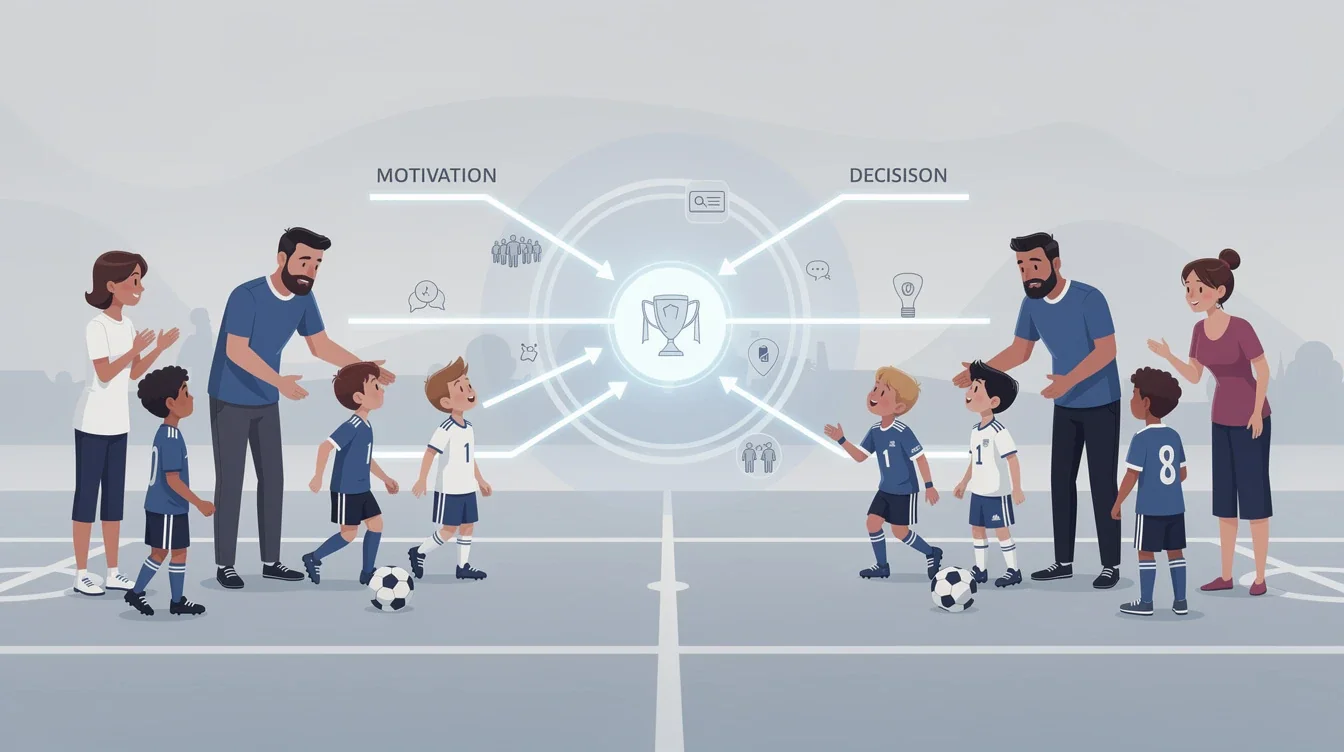

How Behavioral Science Shapes Youth Soccer Referrals
If you're a parent with a soccer-loving child, you've probably asked yourself: "How do I find the right team, coach, or training for my kid?" Or maybe you've been approached by another parent for advice on where their child should play next. These moments—when families help each other navigate the world of youth soccer—are called referrals. But did you know that behavioral science plays a huge role in how these referrals happen, and how effective they are? At Trackli, we believe the more you know about these influences, the better choices you can make to support your young athlete’s journey. Let’s dive into how behavioral science shapes youth soccer referrals, and what it means for your family.
Why Referrals Matter in Youth Soccer

Youth soccer is more than just a game; it’s a community. For many families, finding the right fit for their child means asking friends, teammates, and other parents for recommendations. These referrals are a powerful force. Why? Because we naturally trust the experiences and opinions of people we know—especially when it comes to our kids’ safety, happiness, and development.
Behavioral science tells us that social proof—the idea that we’re influenced by what others do or recommend—is a major driver in decision-making. When a trusted parent says, "My child loved this coach" or "This app helped my daughter improve her footwork," it carries far more weight than any anonymous review or ad. That’s why referrals are at the heart of how kids find new teams, coaches, and even training tools like FirstTouch.
But referrals aren’t just about following the crowd. They’re about finding confidence in your choices. When you hear firsthand stories of growth, fun, and progress, it’s easier to take the next step—whether that’s joining a new team or trying a new training app.
Pro tip: When considering a new soccer program or training tool, ask parents whose values and schedules are similar to yours. Their experiences will likely align more closely with what matters most to your family.
The Psychology Behind Parent-to-Parent Advice
So what’s really happening when parents share advice about soccer options? Behavioral science sheds some light on the psychology at play. When you ask another parent about their experience, a few key forces are at work:
First, there’s empathy. Parents know what it’s like to want the best for their kids, so they’re motivated to help others avoid mistakes or find shortcuts to success. Second, there’s reciprocity. If you help another parent today, they’ll be more likely to help you tomorrow—whether it’s with carpooling, sharing drills, or recommending a great goalkeeper coach.
Another important factor is confirmation bias. We tend to notice and remember information that supports choices we’ve already made. So, if a parent is happy with their decision to use FirstTouch, they’ll naturally highlight the positives when talking to you.
Understanding these dynamics can help you ask better questions and get more balanced answers. Instead of just asking “Did you like it?” try “What did your child enjoy most?” or “Were there any challenges?” You’ll get richer, more honest feedback.
Pro tip: When giving advice, share both the highs and lows. Your honesty helps other parents make informed decisions and builds trust in your soccer community.
Social Networks and the Spread of Good Ideas
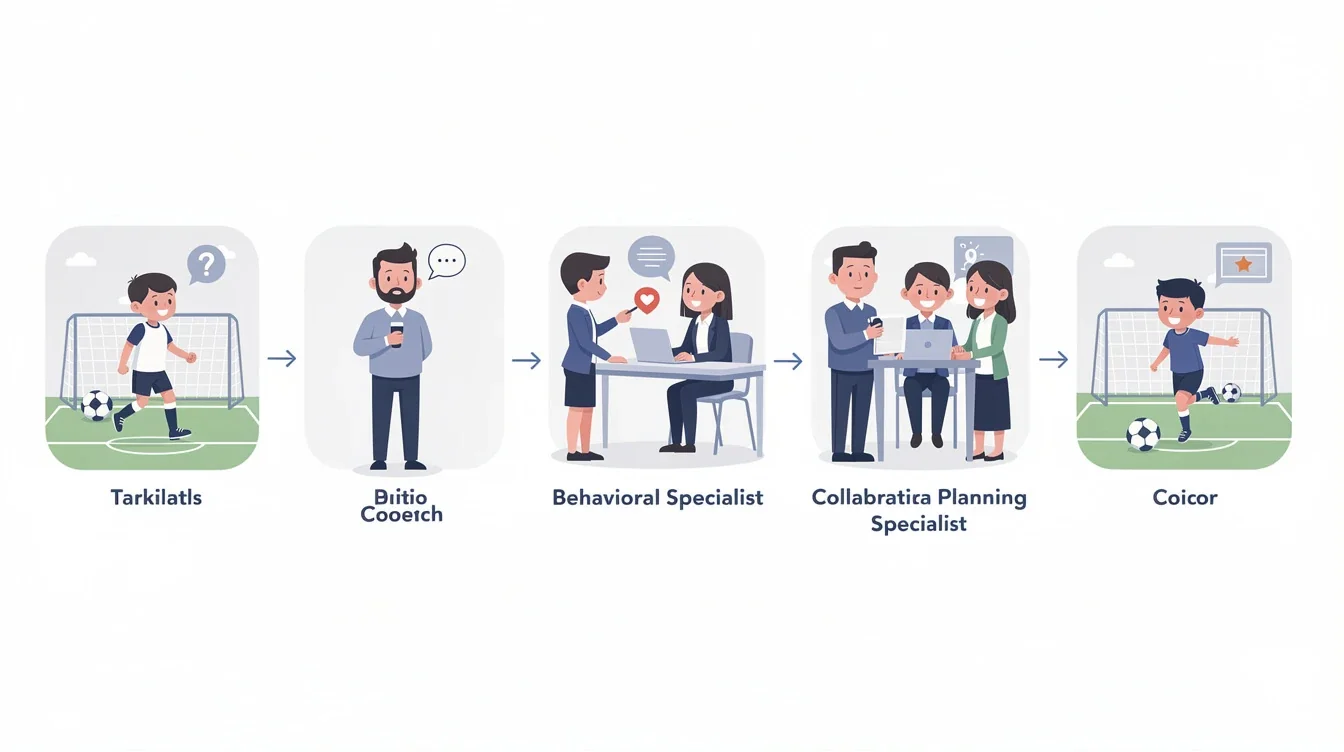
Your soccer circle is more powerful than you think. Behavioral science research shows that information spreads best through networks of friends and acquaintances, rather than just from top-down sources like coaches or clubs. This means that a single positive experience—say, a parent’s glowing review of a training app—can ripple through a whole team, neighborhood, or school.
This “network effect” is especially strong in youth soccer, where parents and kids see each other at practices, games, and tournaments week after week. When one family finds something that works—whether it’s a new cleat brand or a game-changing training plan—word gets around quickly.
But not all referrals are created equal. Recommendations travel farther and stick longer when they come from respected, well-connected parents—often the ones who organize carpools, run snack duty, or have older kids with lots of soccer experience. If you’re new to youth soccer, look for these informal leaders when seeking advice. And if you’re already a go-to parent, remember the influence you have and choose your words thoughtfully.
Pro tip: If you find something that helps your child thrive—like a personalized training plan or a supportive coach—don’t be shy about sharing it with your soccer network. Your voice could be the nudge another family needs.
The Role of Safety and Convenience
For today’s parents, nothing matters more than safety and convenience. Behavioral science shows that when we weigh options for our kids, we’re especially sensitive to anything that feels risky, overwhelming, or time-consuming. That’s why referrals work best when they address these concerns head-on.
When a parent says, “The FirstTouch app tracks my child’s progress and keeps her motivated, all from home—so I know she’s safe and working toward her goals,” it resonates. The combination of structure, results, and peace of mind is powerful. Plus, when a trusted parent highlights how easy it is to fit training into a busy week, it removes barriers that might have stopped you from trying something new.
It’s not just about what’s fun or effective; it’s about what feels doable and secure for your family. The best referrals don’t gloss over real-life challenges—they show how a tool or program fits into your everyday routine, making soccer development feel manageable instead of stressful.
Pro tip: When you try a new soccer tool or program, make note of the features that make your life easier or give you peace of mind. These are the details other parents care about most.
How Kids Shape the Referral Process
We often think of referrals as something parents do, but kids themselves are powerful influencers. Behavioral science tells us that children naturally share what they love—especially when it comes to sports. If a player tries a new drill, masters a trick, or levels up in a training app, they’ll want to show their friends.
Peer influence is strongest in the 8–18 age range, right where FirstTouch focuses. When teammates see each other improving or having fun, they’re more likely to ask “How did you do that?” This curiosity leads to organic referrals, driven by excitement and friendly competition.
As a parent, you can harness this energy by encouraging your child to talk about their experiences—both the challenges and the “aha!” moments. When your child becomes a positive example in their soccer circle, it boosts their confidence and inspires others to follow their lead.
Pro tip: Celebrate your child’s milestones—no matter how small—and invite them to share their progress with friends. Peer encouragement can be a powerful motivator for consistent training and growth.
Building a Supportive Soccer Community
At its heart, youth soccer is about connection—between parents, kids, coaches, and the wider community. Behavioral science reminds us that when we help each other, everyone benefits. Referrals are more than just recommendations; they’re acts of support that strengthen the entire youth soccer ecosystem.
Whether you’re new to the game or a seasoned soccer parent, your voice matters. By sharing honest advice, celebrating successes, and looking out for each other’s kids, you create an environment where young athletes can thrive. Tools like FirstTouch are designed to fit seamlessly into this community—offering structure, motivation, and progress tracking that make development fun and achievable.
Remember: the journey is easier (and a lot more fun) when you travel it to gether.
Pro tip: Take a moment after games or practices to chat with other parents. Sharing your experiences—good, bad, or surprising—helps build trust and opens the door for helpful referrals down the road.
Conclusion
Behavioral science is at work every time a parent shares advice, a child demonstrates a new skill, or a coach recommends a training plan. In youth soccer, referrals aren’t just about finding the best team or tool—they’re about building a community that supports every player’s growth.
At Trackli, we know that the right recommendation can make all the difference. Whether you’re guiding your own child or helping another family, understanding the forces behind referrals empowers you to make choices that are safe, convenient, and effective. Here’s to a season of shared victories, stronger connections, and lots of soccer smiles!